
Monetize procrastination—yes, that thing you keep trying to stop doing—might be the smartest business move you’re not making.
Table of Contents
The Day I Realized My Procrastination Was Cash in Disguise
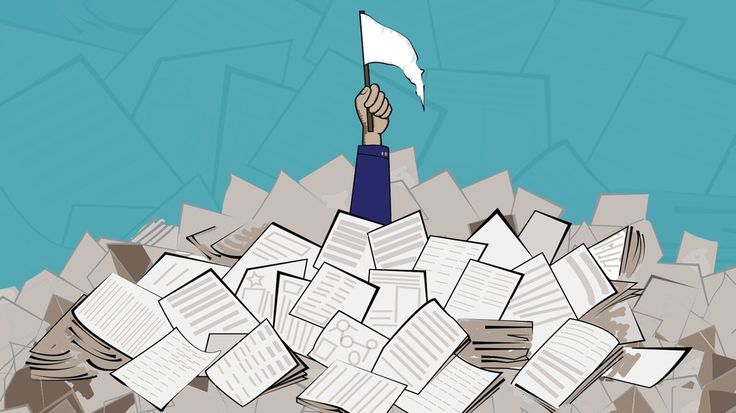
Picture this: I was avoiding writing a sales email—again. Instead, I found myself deep into rearranging files, cleaning desktop icons, even tweaking my coffee mug… anything to avoid facing that blinking cursor.
Then… ping—Stripe notification: $1,200 sale. From a product launch email I’d written last week.
Procrastination had pushed me out of creation… but that system still worked. And because of that, I made money while I procrastinated.
That was the epiphany moment:
If you turn your avoidance into leverage points—your procrastination becomes profit.
And that’s what this post is about: how to architect your business so procrastination doesn’t cost you—it pays you.
Why We Procrastinate—And How That’s Actually Useful

Let’s get real about procrastination. It isn’t laziness—it’s our brain’s way of finding short-term peace (and short-term pain).
Here’s the thing:
- Productive procrastination looks like stability…
- But it kills momentum.
However—not recognizing the pattern?
Could be your secret revenue engine.

Because procrastination doesn’t have to mean zero output. It can mean you’ve built systems so strong, they run while you’re avoiding.
That’s the magic move.
Why We Procrastinate—And How That’s Actually Useful
Step 1: Build Self-Funding Systems First

Before you worry about deadlines—worry about setups.
What this means:
- Automated funnels that run without babysitting
- Email sequences that sell on their own
- Evergreen products that fulfill themselves
If your systems are airtight:
- You avoid, you rest, you binge documentaries…
- And sales still roll in.
Because real leverage isn’t about more creators. It’s about smarter systems.
Step 2: Turn Delay into a Signal
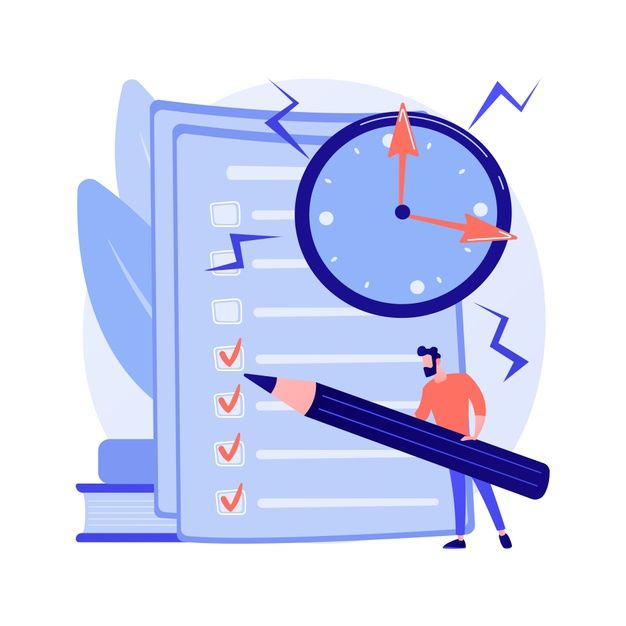
Procrastination is not the enemy—it’s the signal.
It’s telling you:
- Something feels off with this task.
- Maybe you’re burnt-out or need a break.
- Maybe the work isn’t aligned with your energy.
Instead of panic:
- Pause
- Use that break to evaluate
- Decide whether to push or pivot
It’s not “I can’t do this.”
It’s “My brain is hijacking me for a reason.”
When you decode that signal—you can avoid burnout before it starts.
Step 3: Funnel the Flow Back Into Systems
Stop beating yourself up. Start redirecting.
If your energy is low, use it to:
- Review your email analytics
- Update your funnel logic
- Improves landing page copy
- Automate onboarding emails
Those are tasks that build momentum insulated from your mood.
Your procrastination becomes productive—because you’re gradually improving the engine that pays you.
Step 4: Create Pause-Based Offers
This is the playful twist:
What if your offers encouraged procrastination?
Examples:
- “Buy now, start later” evergreen masterclasses
- Lifetime access templates with no time pressure
- Chunked coaching where the next phase unlocks only when you’re ready
You give people space, and still keep them paying—and producing little by little, on their own schedule.
They buy because they know they’ll procrastinate… and that’s okay.
Step 5: Automate the Reminder—Gently
One of the best ways to monetize procrastination? Remind people without pressuring them.
Set up:
- Gentle email nudges for uncompleted modules
- Soft check-ins that say: “Hey, let me know if you need help”
- Content that leads into “Would you like to go deeper?” teasers
It’s not aggressive. It’s supportive. You still serve while they process.
Plus—your reminders feel helpful, not salesy.
Step 6: Use Micro-Commitments to Drive Flow
Large tasks intimidate. Small ones invite.
Here’s how to monetize it:
Break your offers into micro deliverables:
- 5-minute templates
- 7-minute video trainings
- Tiny wins people can do on their phone
Then:
- Link those micro-unlocks to email drops
- Only reveal the next step when the current one’s done
Procrastinators love this. It feels easy. Feels do-able. Feels earned.
Step 7: Offer Refresh Breaks with Re-Engagement Paths
When someone hasn’t logged in? Don’t push them. Pull them back.
Build reflow systems:
- “Let’s pick up where you left off” email
- Encore sessions or refresh bonuses
- Surprise upgrade offers for past buyers
Make “I forgot” a money-maker—not a failure.
Step 8: Treat Procrastination as Profitable Long-Term Behavior
Here’s the mindset shift that changed the math:
👉 Procrastinators don’t ghost sales—they delay them.
👉 Each delay is a second chance to embrace them again—on their terms.
👉 And every micro win builds trust.
Turn “I’ll do it next week” into “I’ll finish what I started with your help.”
What This Actually Looks Like In Real Life
A real-world scenario I see often:
- A coach sets up a 5-week mini-course
- Folks sign up… then procrastinate
- Week two, they haven’t logged in—so she sends a reminder
- Week three: “new bonus unlocked because you’re almost there!”
- Week four: they show up…and love it
- Week five: they buy the advanced coaching upgrade
No pressure. No chasing. Just momentum.