Table of Contents
Imposter syndrome cost: the silent thief that’s been stealing your opportunities, your confidence—and maybe even your future.
Let’s have an honest moment.
You ever walk into a room, open your mouth, or start a project and immediately think—
“What the hell am I doing here?”
Like you’re somehow faking it… and any minute now, someone’s going to point and yell, “IMPOSTER!”
Yeah. That.
You’re not alone. In fact, that exact feeling is so common it has a name: imposter syndrome. And while it sounds like some self-help buzzword, I’m here to tell you—it’s real, it’s dangerous, and it’s probably draining more from your life than you realize.
Not just emotionally.
Financially. Professionally. Creatively. Relationally.
Let’s rip this open.
This isn’t just about confidence. This is about the opportunities, income, and impact you’re leaving on the table every day you let that little voice win.
Imposter syndrome cost shows up every time you skip a raise because you think you’re not ready.
The High Price of “Not Good Enough”
I want you to really sit with this question:
What has the belief “I’m not good enough” already cost you?
Let’s make it real:
- The client you didn’t pitch because you weren’t “ready.”
- The relationship you sabotaged because you thought they’d leave anyway.
- The job you didn’t apply for.
- The business you didn’t launch.
- The raise you didn’t ask for.
- The words you didn’t say.
- The version of you that never got to exist… because you told yourself no before the world even had a chance to say yes.
Self-doubt isn’t just a feeling.
It’s a thief.
And the longer you let it stay in charge, the more it robs from your future.
When you avoid pitching your idea, that’s imposter syndrome cost real time and opportunity.
Where Did That Voice Even Come From?
Here’s the kicker: You weren’t born with self-doubt.
No baby shows up worrying if they’re good enough to crawl, cry, or laugh too loud.
So where did it come from?
Maybe it was that teacher who told you you’d never be great at anything.
Maybe it was a parent who thought criticism was love.
Maybe it was the friend who made a joke that cut deeper than they realized.
Maybe it was years of trying and failing—and now you’ve made failure your identity.
Who first taught you to question your own worth?
And more importantly—
Why are you still carrying their voice like it’s gospel truth?
The imposter syndrome cost isn’t hypothetical—it’s in lost income, lost chances, and lost confidence.
Why “I’m Not Good Enough” Is the Greatest Lie Ever Sold
Let me tell you something I’ve learned after 15 years of working with entrepreneurs, artists, coaches, and high performers:
The people who feel like frauds the most… are often the most legitimate ones in the room.
Why?
Because you care.
Because you’re self-aware.
Because you have standards.
The loudest ones? The “gurus” and self-appointed experts? They don’t care enough to question themselves. But you—you do. And that self-reflection? It means you’re growing.
But if you don’t catch it, it also means…
You’ll hold yourself hostage.
You’ll stay stuck. Keep shrinking. Keep second-guessing. And you’ll mistake fear for wisdom.
Every moment you believe you’re underserving, you’re paying the imposter syndrome cost.
The Real Cost: Your Identity
Let’s get even deeper.
The belief “I’m not good enough” doesn’t just affect what you do.
It shapes who you are.
Every time you avoid action, every time you downplay your gifts, every time you shrink to fit a space too small for you, you’re reinforcing one powerful identity:
“I’m someone who doesn’t deserve more.”
And the scariest part?
You start to believe it.
Until one day, you stop even trying.
Let me say it straight: That’s not humility. That’s self-abandonment.
And it’s killing your potential.
A delayed promotion, a missed project—call that the imposter syndrome cost in action.
Imagine Who You’d Be Without That Thought
Let’s flip it.
Close your eyes for a second. (Well, don’t if you’re driving. Obviously.)
Now imagine waking up tomorrow and thinking—
“I am good enough. I’m ready now.”
What would change?
- Would you finally record that podcast?
- Would you triple your rates?
- Would you start your own brand?
- Would you ask for what you want instead of settling?
Now ask yourself:
What would happen if I stopped living like I needed permission?
Because you don’t.
You never did.
Raising your rates means reclaiming part of the imposter syndrome cost you’ve been paying.
3 Things to Do When “Not Good Enough” Creeps In
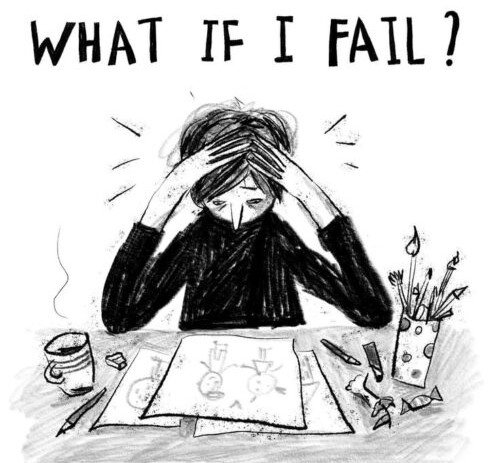
This isn’t just a pep talk. Let’s get practical. Here are three moves you can make the moment that feeling hits.
1. Interrupt the Thought Pattern (Out Loud)
That voice in your head? It only grows when it’s allowed to speak uncontested.
Next time it whispers, “You’re not good enough,” say out loud:
“Thanks for your opinion. You’re wrong.”
It sounds silly. But it works.
You disrupt the pattern. You become the voice that challenges the lie.
Try it. Seriously. Talk back. Interrupt it.
2. Create a “Proof Vault”
Every time someone compliments you, thanks you, shares a win, or tells you how you helped them—screenshot it.
Put it in a folder on your phone or computer called “Proof I’m Awesome” or whatever name makes you grin.
Because when self-doubt shows up, don’t argue. Just show receipts.
You’ve helped people. You’ve made things better. You’ve created value.
Let the proof silence the panic.
3. Act Before You’re Ready
Let me tell you something brutally honest:
You’ll never feel ready.
Read that again.
Nobody ever feels ready. But the difference between the people who move forward and the ones who stay stuck?
They act anyway.
Even if it’s messy.
Even if it’s awkward.
Even if their voice shakes.
Because confidence doesn’t come before the action. It comes from it.
When You Start Thinking That You’re Not Good Enough…
Some Questions to Journal (or Just Sit With)
Let’s take this deeper. Reflect honestly:
- What would I do today if I believed I was good enough?
- What’s one area where I’m undercharging or underplaying because I think I’m not “there” yet?
- What compliments or praise have I brushed off that I should’ve received?
- What’s a big goal I’ve been avoiding out of fear of not being ready?
- What identity am I still holding on to that doesn’t serve me anymore?
Write these down. Sit with them. Don’t rush.
You’re Not Broken—You’re Becoming
Here’s the raw truth:
That “I’m not good enough” voice doesn’t mean something’s wrong with you.
It means you’re growing.
It means you’re leveling up into a version of yourself your old self doesn’t recognize yet.
Growth feels unfamiliar. That’s why it’s scary.
But don’t confuse discomfort with danger.
You’re not in danger. You’re in transformation.
And what comes next… is up to you.
The 7-Day Challenge (If You’re Brave Enough)
Let’s make this real.
For the next 7 days, do one thing every day that scares you.
Not something reckless. Something bold.
- Launch it.
- Say it.
- Ask for it.
- Post it.
- Share it.
- Sell it.
- Record it.
- Pitch it.
Even if your voice shakes. Even if your hands tremble.
Because every time you take action despite self-doubt, you’re not just doing the thing.
You’re rewriting your story.
Final Word
You’ve got one life. One shot. One story to write.
And if you spend it trying to prove your worth to people who can’t even see it—you’re wasting your greatest gift.
You are good enough.
Not because you’ve done everything right.
Not because you’re perfect.
But because you’re here. You care. You’re willing. You’re ready.
Let the old thoughts die.
Let the new identity rise.
And go take what’s yours.